Thinking about selling your rental property?
We consider direct purchases of smaller rental buildings, accounting for the property, its tenants and your plans.
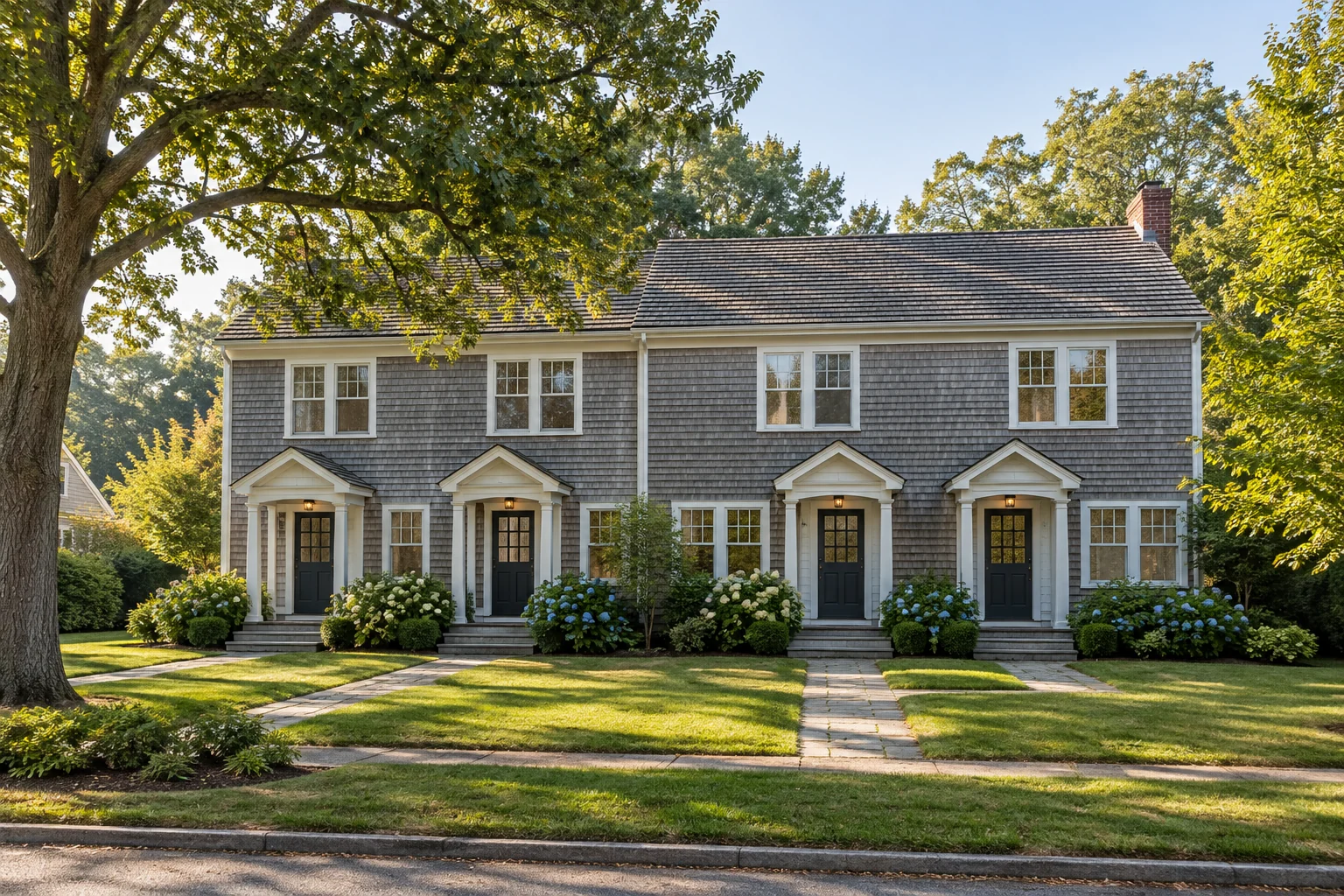
Units and occupancy
Tell Andrew how many units are occupied or vacant and what you know about each tenancy. Explain any difference between the current layout and the unit count shown in municipal records.
Rental income and building costs
Available leases, rent records, operating expenses and known repairs help us review the building. Identify actual income separately from expected rent, and explain missing or incomplete records.
Access and management through closing
Discuss how inspections can be arranged around tenants and which management responsibilities would continue until closing. Your lawyer reviews existing tenancies and how the proposed purchase should address them.
Questions about selling a rental building
Does the building have to be vacant?
No. We can begin a discussion while units are occupied. Share current occupancy and available leases; the proposed purchase must account for existing tenancies and the responsibilities each party would retain.
Which rental records are useful?
Start with the unit count, occupancy, available leases, rent information, operating expenses and known repairs. Explain gaps rather than delaying the conversation until every record is complete.
What if some units need work or are not producing income?
Describe which units are vacant, what work is unfinished and any known reasons income has stopped. Those conditions affect the investigation, expected costs and terms of a possible purchase.
What if the unit count differs from the municipal records?
Share the current layout and the documents you have. Andrew can investigate the discrepancy with the appropriate professionals. A proposed purchase should make any use or approval conditions clear.
Let’s talk about what comes next.
Tell Andrew about your property, even if you haven’t decided to sell.
Discuss Your Property